

INSIGHT DETAIL
SIM Swap Attacks
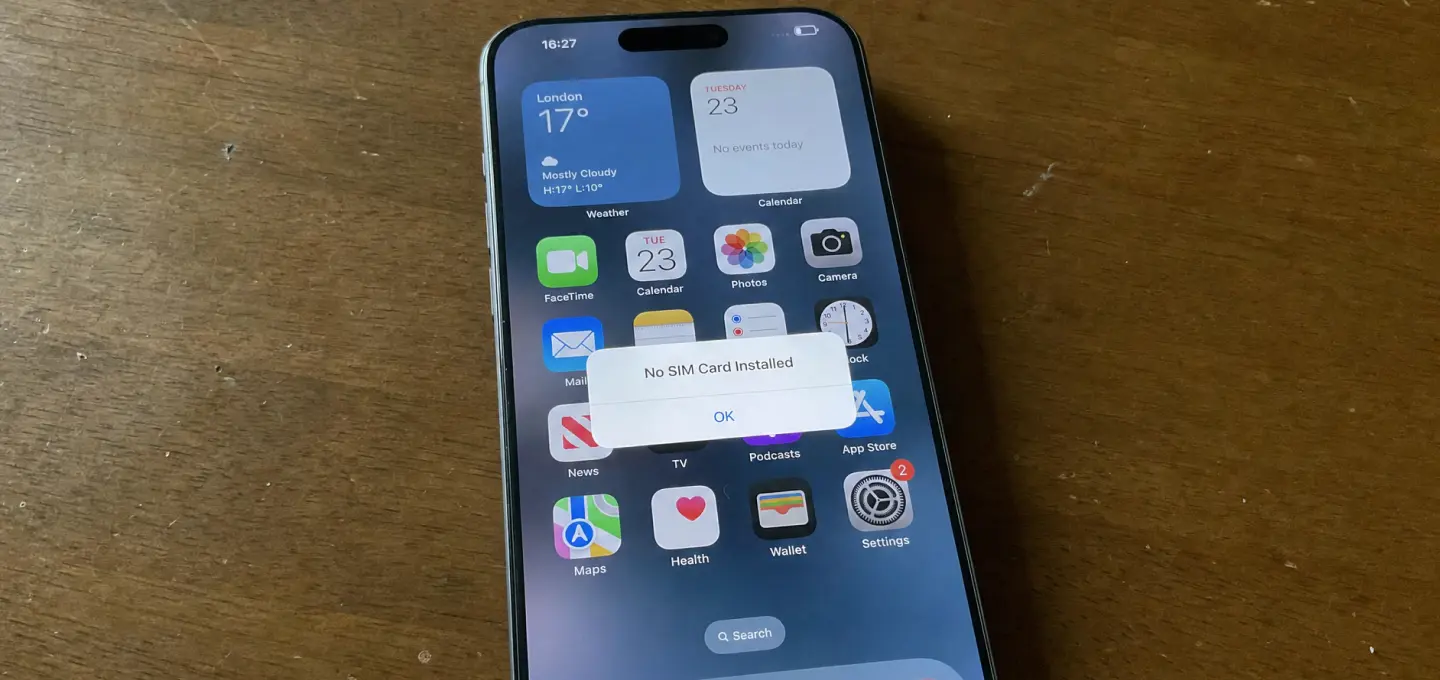
Your Phone Number Becomes the TargetA SIM swap attack does not begin with someone stealing your phone.It begins with someone taking control of your mobile identity.
%201.svg)


August 27, 2026
A SIM swap attack does not begin with someone stealing your phone.
It begins with someone taking control of your mobile identity.
Your phone number is often connected to email accounts, banking alerts, social media profiles, and password recovery systems. If that number is transferred to a SIM card controlled by an attacker, the risk can spread quickly.
A SIM swap happens when an attacker convinces a mobile operator to move your phone number to another SIM card or eSIM.
This may involve social engineering, stolen personal information, or compromised account credentials.
The attacker may already know details such as your full name, phone number, address, date of birth, or account information. Those details can be used to make a fraudulent transfer request look legitimate.
Once the transfer is completed, your original SIM may suddenly lose service.
Calls and SMS messages can then start reaching the attacker instead.
Many online services still use SMS for Two-Factor Authentication (2FA) and account recovery.
That means a phone number is sometimes treated as proof of identity.
If an attacker controls the number, they may receive one-time passwords, verification codes, or password reset messages.
This can lead to Account Takeover (ATO).
The password may not even be the final barrier if the recovery process depends on SMS.
SMS-based 2FA is still better than using only a password, but it relies on the security of the mobile number itself.
For higher-risk accounts, stronger methods such as authenticator apps, passkeys, or hardware security keys reduce that dependency.
A sudden loss of mobile service can have an innocent explanation.
But if it happens together with password reset alerts, unfamiliar login notifications, or unexpected account changes, it deserves attention.
Contacting the mobile operator quickly and checking critical accounts can help limit the damage.
A phone number may look like a simple contact detail.
In practice, it can function as part of your digital identity.
That is exactly why attackers may target it.
Disclaimer
This article is intended for informational and educational purposes only. It does not constitute legal, technical, financial, or cybersecurity advice. SIM swap techniques, mobile security controls, and account recovery methods may change over time, so users should follow current guidance from their mobile provider and relevant service providers.