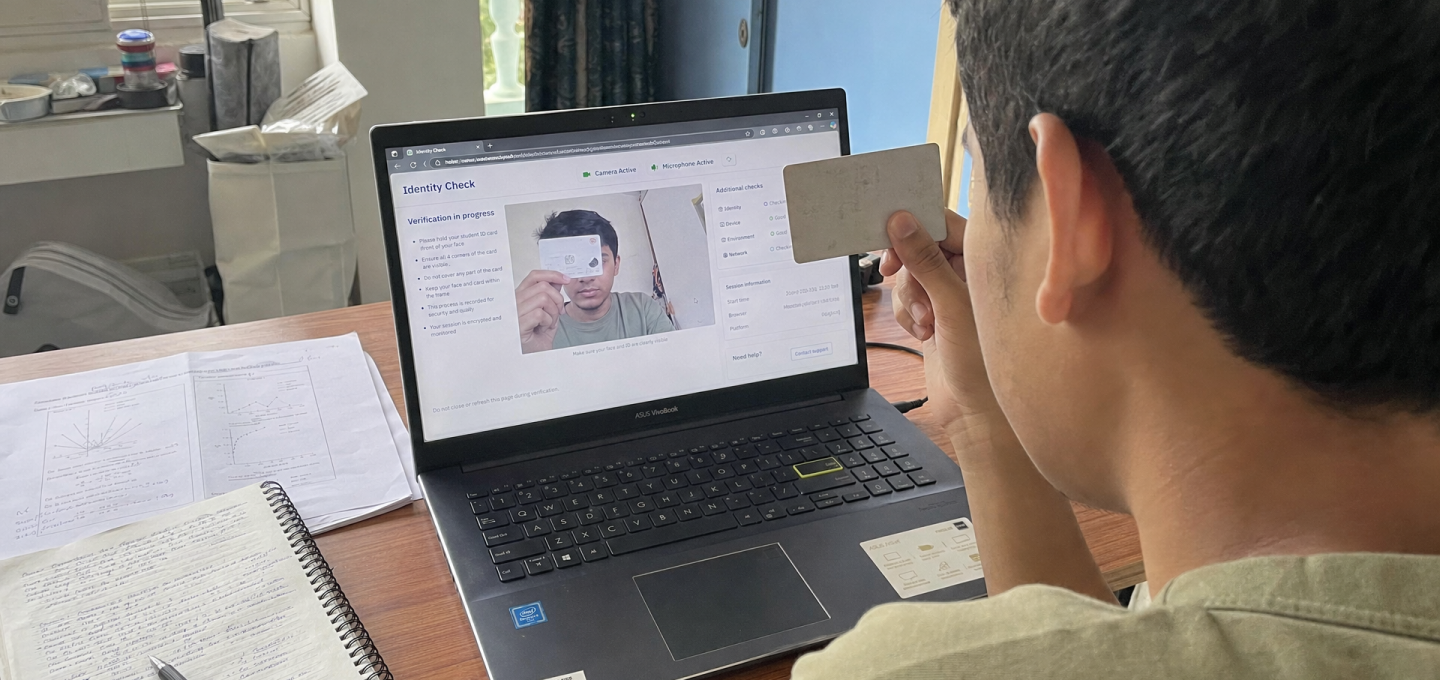
What Happens to Student Data During Remote Exams?
Online exams are convenient, especially when students cannot be in the same classroom.
But taking an exam from home can involve more than answering questions on a screen.
Some platforms may ask for access to a camera or microphone, verify identity, record parts of the session, or monitor activity during the exam. This is often known as remote proctoring.
That creates an important security question: What happens to all that student data?
Remote Proctoring Collects More Than Exam Answers
To confirm that the right person is taking the test, a platform may use authentication methods such as account credentials, identification documents, facial checks, or other verification steps.
Depending on the service, this can involve PII (Personally Identifiable Information) and, in some cases, biometric data.
The purpose may be exam integrity, but the information still needs to be collected, stored, and protected somewhere.
That is where privacy and cybersecurity meet.
The ProctorU Breach Shows the Risk
A real example came from the online exam service ProctorU.
In 2020, the company experienced a data breach that reportedly exposed information connected to hundreds of thousands of accounts. The affected data included names, email addresses, phone numbers, physical addresses, usernames, and passwords.
The incident did not mean that every remote exam platform was unsafe. It showed something simpler: when an education service holds personal information, that information can become a target too.
Exam Security Is Also Data Security
A secure online exam should not only prevent cheating.
Schools and education providers also need to think about data minimization, access permissions, retention periods, and what happens to recordings or identity information after an exam is over.
Students should also know what data is being collected and why.
Remote exams may happen in a virtual classroom, but the security questions are very real.
Protecting exam integrity matters.
Protecting the student behind the exam matters just as much.
Click related article : Student Data Security: How Safe Is Student Information?
Disclaimer
This article is intended for informational and educational purposes only. It does not constitute legal, technical, privacy, or cybersecurity advice. Remote proctoring practices, platform features, and data protection requirements may change over time, so users should review current guidance from relevant institutions and service providers.


%201.svg)